Aligning with Kenya’s Shirika Plan for Lasting Impact
The landscape for refugee support and education in East Africa is undergoing a historic shift. For the Bishop Paride Taban Educational Foundation (BPTEF), this is not just news—it is a powerful confirmation that our mission is aligned with the future. The recent launch of the Government of Kenya’s Shirika Plan (March 2025) marks a pivotal move from short-term humanitarian aid to long-term, sustainable development for refugees and host communities alike .
This 11-year, government-led initiative resonates deeply with our core objective: to provide orphaned girls from South Sudan with quality, transformative education. The plan’s focus on integrating refugee services into national systems, including education, creates an unprecedented opportunity for partnerships and lasting impact . Our foundation is poised to be a part of this transformative journey.
The Unchanged Reality: Why Our Work Remains Critical
Despite this progressive policy environment, the day-to-day challenges in refugee settlements like Kakuma and Dadaab—which host over 725,000 refugees combined—are immense . Educational opportunities, especially for vulnerable orphaned girls, remain severely limited.
- Systemic Barriers: Classrooms are critically overcrowded, often holding over 100 students, with severe shortages of textbooks, desks, and qualified teachers .
- Economic Hardship: Many families are forced to prioritize immediate survival over schooling, leading to high dropout rates .
- The Gender Gap: Orphaned girls face the highest risk of being left behind, often forced into early marriage when educational pathways are closed.
This is the gap the Bishop Paride Taban Educational Foundation seeks to fill. We are not just building a school; we are building a sanctuary that aligns with the Shirika Plan’s vision of integration, dignity, and self-reliance .
The Synergy: How BPTEF Complements the Shirika Plan
The foundation’s strategy dovetails perfectly with the key pillars of the Kenyan government’s new approach:
- Integrated Education: The Shirika Plan mandates that all refugee schools be registered under the Kenya Education Management Information System (KEMIS) and increases the deployment of government-trained teachers . Our foundation will operate within this national framework, ensuring our students receive a recognized and quality education.
- Economic Empowerment: The plan emphasizes vocational training and access to microfinance . Our holistic education model will instil not only academic knowledge but also practical skills, empowering girls to become self-sufficient and contribute to their local economies.
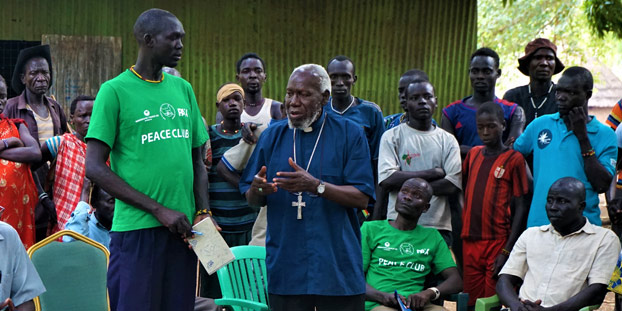
- Sustainable Inclusion: By focusing on the integration of refugees and host communities, the plan fosters social cohesion . Our project, by its very nature, will create opportunities for collaboration and shared growth, honouring Bishop Taban’s legacy as a bridge-builder.
A Regional Perspective: Education as a Shared Challenge and Solution
The educational deficits in the region are not isolated. A 2025 OECD report highlights that globally, unequal opportunities are holding back learners from disadvantaged backgrounds, with only 26% of young adults from less-educated families attaining a tertiary qualification compared to 70% from more educated backgrounds . This disparity is even more acute for refugee girls, underscoring the critical need for targeted interventions like ours.
Furthermore, while Kenya’s policy allows refugee children to enroll in public schools, the reality on the ground is fraught with obstacles, including unofficial fees and a lack of resources . Our foundation’s orphanage school model directly addresses these barriers by providing a fully-supported environment where girls can learn and thrive without these burdens.
✨ Our Commitment in a New Era
The launch of the Shirika Plan is a clarion call for a more collaborative and sustainable approach. The Bishop Paride Taban Educational Foundation is ready to answer this call.
We are committed to:
- Establishing a school that meets national standards and benefits from national teacher deployment.
- Creating a nurturing environment where orphaned girls can heal from trauma and focus on their studies.
- Empowering a new generation of female leaders who are equipped with the skills to contribute to their communities and the broader region.
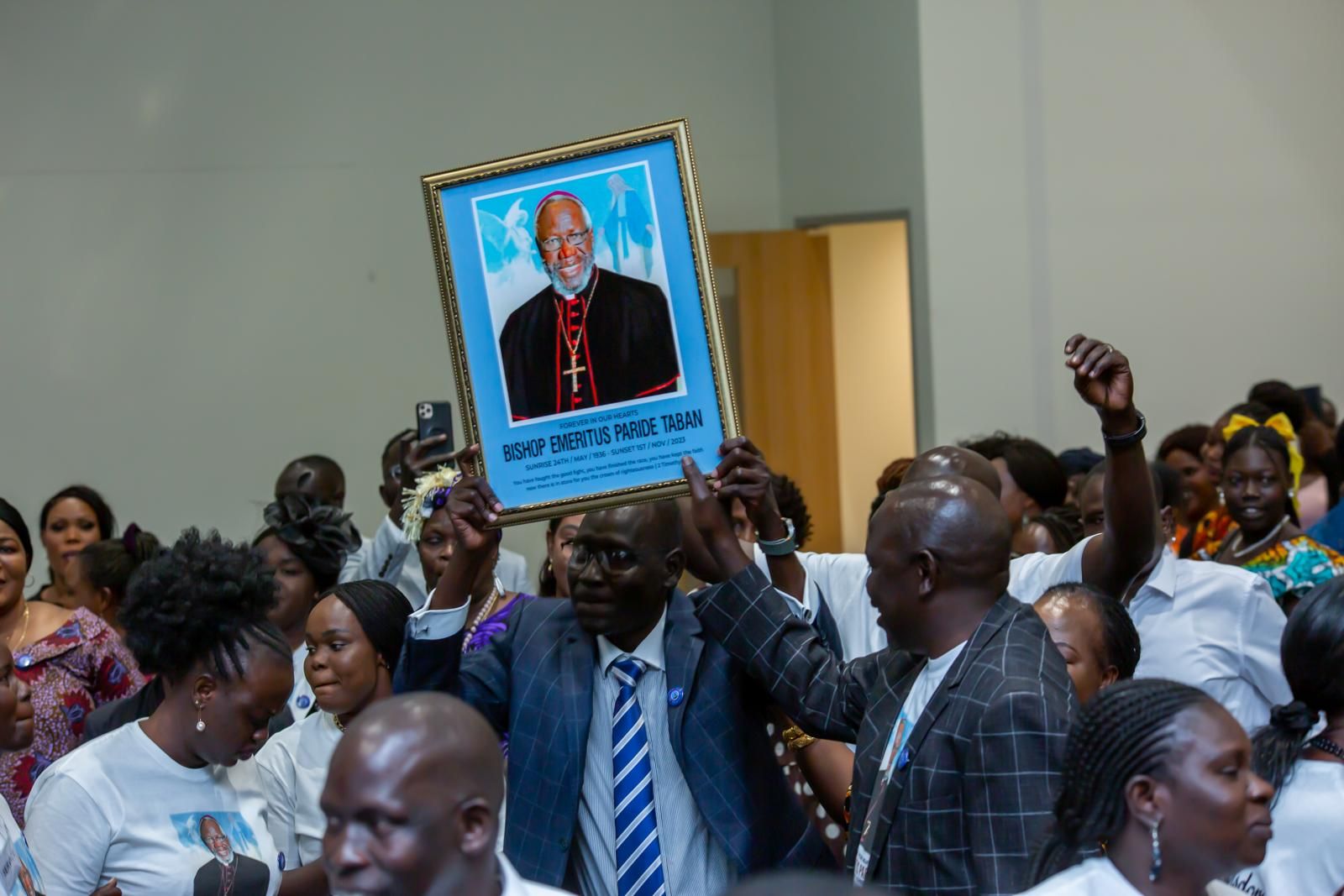
The late Bishop Paride Taban dedicated his life to peace and empowerment. In this new era of refugee inclusion in Kenya, supporting our foundation is not just an act of charity; it is a strategic investment in a more stable, prosperous, and equitable future for all.
Help us in this timely mission. Donate today to support our mission in South Suda
To learn more about how you can partner with us, please contact us